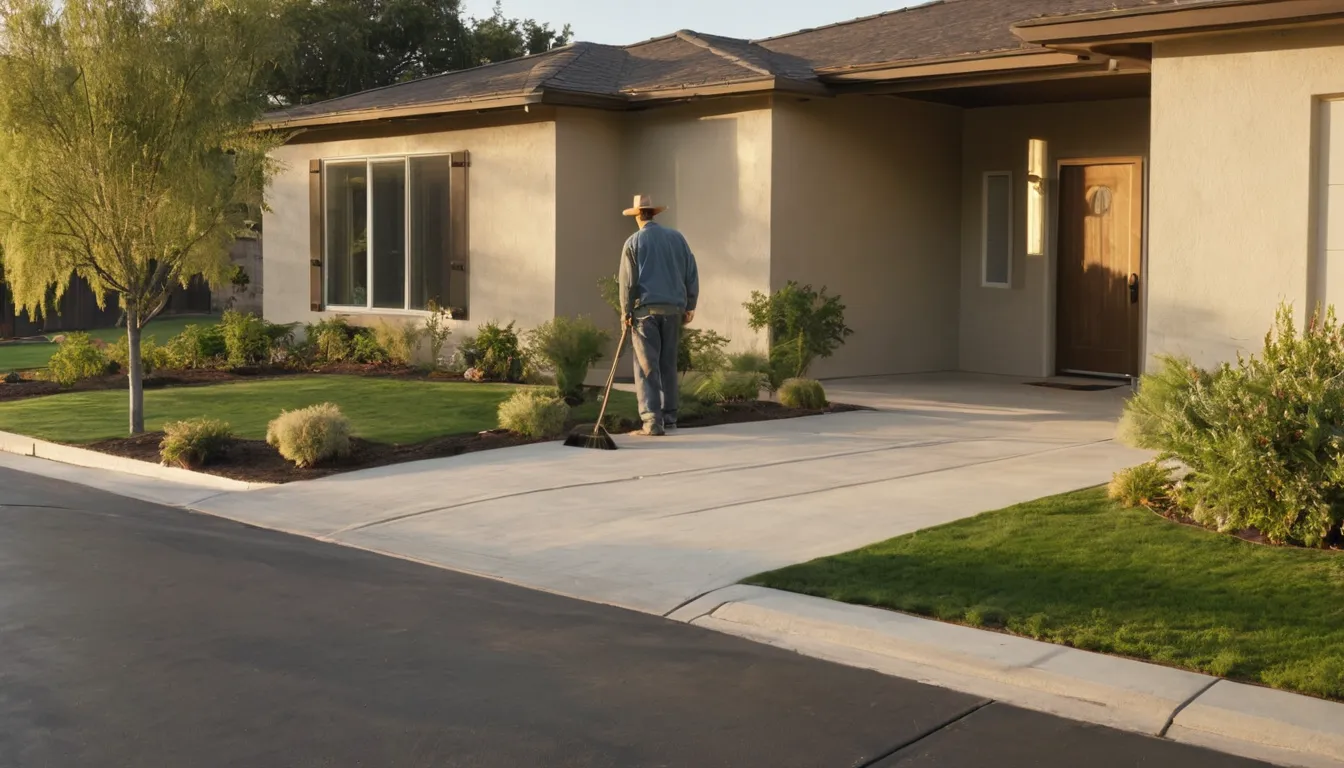
A worn, sunken or cracked driveway is more than an eyesore. It can trip a visitor, send water toward your walls and lower the look of your home. If patching no longer works, a new slab may be the next step.
Ridefew Concrete is a referral service. We do not pour or finish concrete. We introduce homeowners in the Ontario area to independent local providers who do. This page explains what a new driveway involves, what shapes the price, and how to ask good questions. Introductions, not installations.
Start here: is your driveway past patching?
Look at the surface first. A few hairline lines are common and often harmless. Wide gaps, sunken panels and crumbling edges are different. They tell you the ground under the slab has moved or the concrete is wearing out.
This page is about new driveways. If you only need concrete driveway repair for a small spot, a local provider can tell you whether a patch will hold or a full replacement makes more sense.
Signs you need a new driveway
These are the usual red flags:
- Cracks wider than a pencil that keep growing
- Panels that sit higher or lower than their neighbors
- Pitted, flaking or crumbling top layers
- Puddles that stay long after the rain stops
- Weeds pushing up through the joints
Three or more of these? Replacement is worth pricing out.
Water is the first thing to check
A driveway should slope away from your house. If rain runs toward the garage or walls, that is a bigger worry than looks. Over time, soaked soil can stress a home's base.
If you see gaps along the house, sticking doors or cracked walls, ask foundation repair experts to look at the home itself. A new slab will not fix a problem under the house.
Time it around the seasons
In our region, long dry stretches are good for pouring and curing. Winter rain events can slow a job or soften the ground. Many homeowners plan ahead so the base is ready before the wet months.
Smoke seasons can also change work schedules, since crews may limit hours when air quality is poor. Ask a provider how they handle weather delays.
What a new driveway project includes
Most projects follow the same path:
- Measuring and marking the area
- Removing the old slab and hauling it away
- Grading the soil and adding a compacted gravel base
- Setting wood or metal forms for the edges
- Adding steel bars or mesh for strength
- Pouring, leveling and finishing the concrete
- Cutting joints so cracks form in neat lines
This is concrete flatwork at its most basic, and every step affects how long the slab lasts. A provider should explain each one in plain words.
Choosing size, thickness and finish
Most home driveways are four inches thick. Heavier trucks or RVs may call for five or six. Ask the provider why they picked their number.
Width matters too. A single lane is tight. Two cars side by side usually need about twenty feet.
For finish, a broom texture is common because it grips well when wet. Colors, borders and exposed stone cost more. If you also want a decorative surface out back, stamped concrete patios have their own page.
Match the slab to your home
Many homes here are stucco ranches on slabs, plus older bungalows and tract homes from the 1950s through the 1980s. Those yards often have narrow side strips and old, low drive entries. A provider can help you pick a layout that fits your lot and keeps water moving away from the walls.
Permits and the street apron
The apron is the part where your driveway meets the street. It often belongs to the city, and rules for it can be strict. Some places need a permit for any work there. Others limit width or slope.
Ask the provider whether they handle permit paperwork and who pays the fee. Get the answer in writing. Rules differ by town, so check with your local building office too.
Choosing a concrete provider
Good questions make for good matches. Ask each provider:
- Are you licensed and insured where I live?
- What base depth and thickness do you plan?
- What does the price include?
- How do you handle drainage?
- When could you start, and how long will the job take?
A clear answer is a good sign. A vague one is worth noting.
How Ridefew Concrete fits in
We are a referral service. We do not do the work, set the price or hold your money. The providers in our network are independent businesses. They decide their own schedules, rates and methods. Neighbors helping neighbors, with the roles spelled out.
When you call or send a request, we route it to a local provider who handles new concrete. Availability varies. Request a callback to check provider availability in your area.
Why a written quote matters
A price that lives only in someone's memory is hard to compare. Priced on paper means you can see the square footage, thickness, base work, removal, finish and permit costs line by line. Ask for the same details from each provider so the numbers line up.
After the pour
Fresh concrete needs patience. Keep cars off for about a week, or as your provider advises. Keep foot traffic and pets off for the first day or two.
In dry weather, a light misting can help the slab cure evenly. Sealing is often done after a few weeks. Ask what your provider recommends.
Caring for your new slab
Sweep it often. Rinse off oil and spills soon. Avoid harsh de-icers and heavy equipment on the edges. Reseal every few years if your provider suggests it.
Ready to compare options?
You do not need a perfect plan. Measure roughly, take a few photos and jot down your must-haves. Then request an estimate and see what local providers say.
What's Included
Old slab removal
The provider breaks up, hauls away and disposes of the worn concrete so the new base starts clean.
Base and grading
Soil is shaped and compacted with gravel so the slab sits level and sheds water.
Forms and reinforcement
Edge forms and steel bars or mesh are set to hold the shape and add strength.
Pour, finish and joints
Concrete is placed, smoothed, textured and cut with joints to guide any cracking.
What shapes the price of a new driveway
These are typical U.S. ranges. Your price depends on size, soil, access and finish, so get a written quote before you decide.
| Item | Typical range | Notes |
|---|---|---|
| Standard broom-finish concrete | $6 – $12 per sq ft | Four-inch slab; thicker costs more |
| Typical two-car driveway, complete | $3,500 – $8,000 | Size and site conditions change the total |
| Old slab removal and hauling | $1 – $3 per sq ft | Thick or reinforced concrete costs more |
| Gravel base and grading | $1 – $3 per sq ft | Poor soil may need extra depth |
| Color, borders or exposed stone | $2 – $8 more per sq ft | Depends on the pattern and detail |
| Permits and street apron work | $100 – $1,500 | Varies widely by town and rules |
How It Works
Share your plans
Request a callback or send the form with your address, rough size and what you want.
We route your request
Your details go to an independent provider in our network who serves your area.
Review a written quote
The provider describes the job and gives you a price on paper to compare.
Choose and schedule work
You pick a provider and agree on dates, permits and payment directly with them.
Why Call Ridefew Concrete
Open about our role
We refer homeowners to independent providers. We do not pour concrete, set prices or run the job.
Clear costs
We explain what drives the price so you can read a quote with confidence.
Local matches
Requests go to providers who serve your part of the Ontario area and handle new concrete work.
No obligation
Asking for an estimate is a first step, not a commitment to hire.
Other Services
Need concrete driveways in Ontario?
- New driveways, patios and stamped concrete designs
- Independent providers do the pour
- Typical price ranges explained plainly
- No obligation to hire
Concrete Driveways FAQ
How long does a concrete driveway last?
A well-built concrete driveway often lasts 25 to 30 years or more. Base prep, thickness, drainage and climate all play a part. Ask your provider how they plan to build yours for long life.
How long before I can drive on a new concrete driveway?
Many providers ask you to stay off for about seven days, and heavier vehicles may need longer. Follow your provider's advice, since weather and the concrete mix can change the timing.
Do I need a permit to replace my driveway?
Often yes, especially if the work touches the street apron or changes the width or slope. Rules differ by town, so check with your local building office and ask your provider who handles it.
Reach a local provider
Planning a new driveway or patio? Request a callback to check provider availability, or send a request for an estimate. There is no obligation to hire anyone.
No obligation