Stamped Concrete for Your Ontario Home
Request an estimate from a local provider
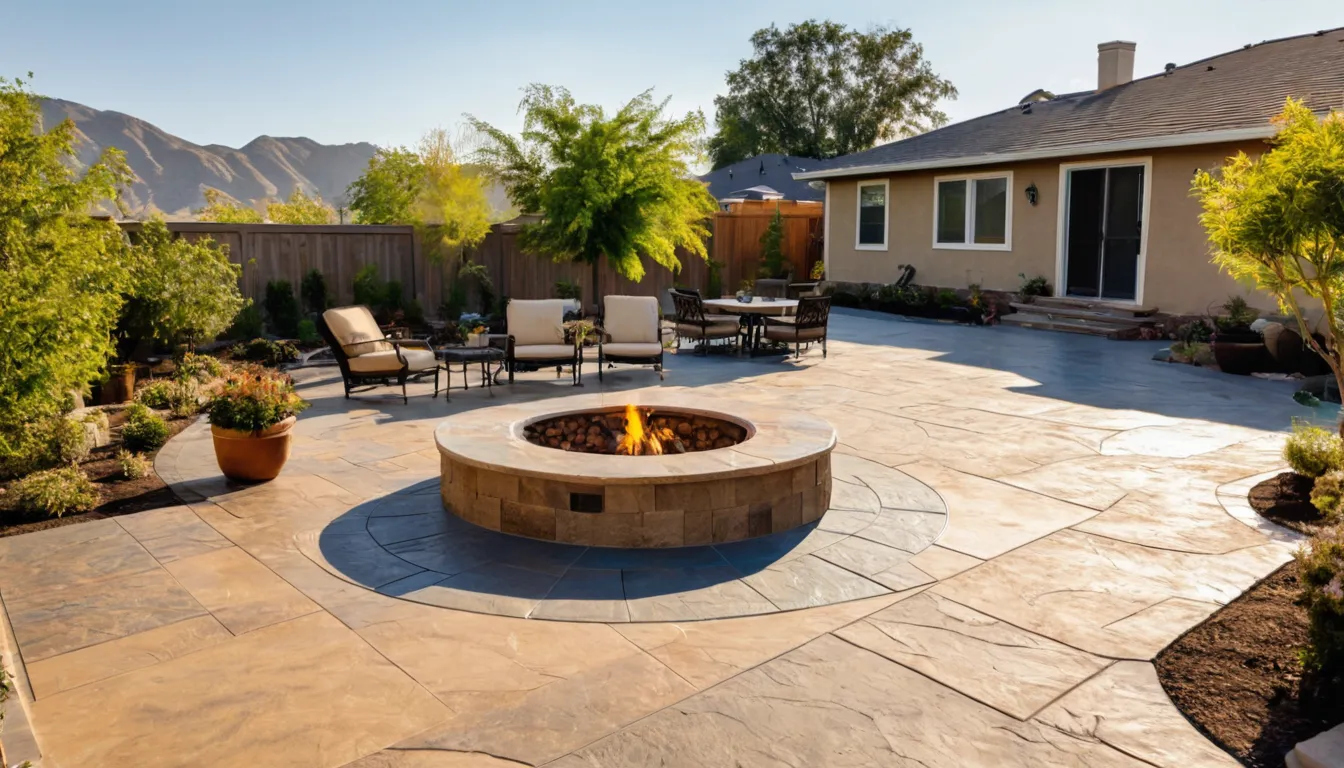
Stamped concrete is poured like a regular slab, then pressed with patterns while it is still soft. Color is added too. The result can look like stone, brick, slate or wood, but it is one solid piece of concrete.
Ridefew Concrete is a referral service. We do not pour, stamp or seal anything. We introduce homeowners in the Ontario area to independent local providers who do that work. This page explains how the match works, what shapes the price, and what to ask before you say yes. Introductions, not installations. Neighbors helping neighbors.
Thinking About Stamped Concrete? Start With Timing
If you want a stamped patio or walkway, the calendar matters more than most people expect. Good stamping needs dry, mild days. In our region, that means the long dry season is when providers fill up first.
So the smartest first move is simple. Ask for quotes early, then pick your slot.
Who Does the Work, and Who Does Not
Ridefew Concrete is a referral service. We do not pour or stamp concrete. A local provider in our network does the job, under their own contract with you.
That is why we say it plainly. You deal with the provider on scope, schedule and price. We simply make the introduction.
A Quick Note on Repair Searches
Some people land here while searching for concrete driveway repair or foundation repair experts. This page is about new stamped work only. For a cracked slab or a settling foundation, you need a different kind of specialist.
Request a callback to check provider availability for a new stamped project.
What Stamped Concrete Actually Is
It is regular concrete with a decorative surface. Many people call it concrete flatwork with a finish. The slab is structural, and the pattern is pressed into the top layer.
How the Pattern Gets Made
The provider prepares the ground and sets forms. Then the concrete is poured and leveled. Color goes in the mix or on the surface.
Next, the crew presses rubber mats into the soft concrete. Those mats leave the stone or brick texture. Joints are cut later so the slab can move without random cracks.
Why the Weather Matters on Pour Day
Heat dries the surface too fast. Rain can pit the finish. Wildfire smoke seasons bring ash that can settle on wet concrete, so providers often watch the sky and the air.
Mild coastal days are friendlier. Hot inland afternoons often mean an early start.
Patterns Neighbors Often Choose
Popular looks include ashlar slate, random stone, brick herringbone and wood plank. Slate-style patterns hide dust and leaves well. Brick patterns suit older bungalows. Plank patterns pair nicely with newer decks.
Picking Colors That Fit Your House
Most stucco ranch homes look good with warm sand, soft tan or gray tones. Bolder colors can fade under strong sun, so ask to see sample boards outdoors, not just in a showroom.
Two tones, like a base color with a darker accent, add depth.
Where Stamped Concrete Works Well
Stamped concrete patios are the most common choice. It also suits pool decks, walkways, entry pads and fire pit areas. Many 1950s to 1980s tract homes have plain slabs out back that can be replaced with something warmer.
It is a better fit for flat or gently sloped ground that drains well.
Stamped Concrete vs. Pavers
Pavers are individual pieces. They can be lifted and swapped, but weeds and shifting can show up in joints. Stamped concrete is one surface with fewer joints, so it is often easier to sweep.
Pavers can cost more in labor. Stamped concrete can be harder to patch invisibly. Neither is wrong. Ask a provider to explain both for your yard.
How Long the Job Takes
Many patios take several days of work, plus curing time. The slab usually needs about a week before light foot traffic and longer before furniture or heavy loads. Larger or more detailed jobs take longer. Your provider sets the schedule in writing.
Caring for Your Stamped Surface
Sweep often and rinse with a hose. Use mild soap for stains. Keep harsh cleaners and rock salt away from it.
Most stamped surfaces are sealed. Sealer protects the color from sun and water. Many homeowners reseal every few years, though it varies by product and exposure.
Choosing a Stamped Concrete Provider
Look for someone who shows finished stamped jobs, not just plain slabs. Ask how they prep the base, where they cut joints and what sealer they use. A confident provider answers in plain words.
Check license and insurance requirements for your state directly with the provider.
Priced on Paper
Get the quote in writing. It should list square footage, pattern, color, base work, sealer and removal of any old slab. Compare line by line, not just the total.
Providers in our network set their own prices. We do not.
Your Next Step
Tell us about your yard through the request form, and a provider in our network can follow up with questions. There is no obligation to hire anyone.
What's Included
Pattern Choices
Providers can discuss stone, slate, brick and wood looks that suit your home and yard.
Color and Finish Options
Ask about integral color, surface tints and sealers that hold up to sun and weather.
Base and Form Prep
Grading, compacted base and forms are part of the scope, so ask what the quote covers.
Sealing and Joints
A good quote names the sealer and where control joints will be cut in your slab.
What Stamped Concrete Typically Costs
Stamped concrete pricing varies by size, pattern, color, site access and local labor. These are typical U.S. ranges only. A written quote from a provider is the only number that counts for your job.
| Item | Typical range | Notes |
|---|---|---|
| Stamped concrete, finished | $8 – $18 per sq ft | Pattern detail and color layers push the price up |
| Plain gray slab for comparison | $5 – $10 per sq ft | Good baseline when weighing options |
| Removing an old slab | $2 – $6 per sq ft | Depends on thickness and rebar |
| Grading and base prep | $1 – $4 per sq ft | Poor drainage or slopes cost more |
| Sealer and later resealing | $1 – $3 per sq ft | Needed every few years |
| Typical 400 sq ft patio, total | $4,000 – $9,000 | Varies widely by region and design |
How It Works
Share Your Plans
Tell us the project type, rough size and when you hope to start through the request form.
Get Matched Locally
A provider in our network that handles stamped work in your area can reach out.
Review a Written Quote
Compare scope, pattern, color, base work and sealer line by line before choosing.
Schedule With Your Provider
You and the provider set dates, weather plans and terms directly.
Why Call Ridefew Concrete
Clear Referral Model
We tell you plainly that providers do the work, not us.
Local Providers
Independent pros who know regional soil, sun and winter rain.
Cost Clarity
We explain what drives price so quotes make sense to you.
No Pressure
Request an estimate and decide on your own schedule, no obligation.
Other Services
Need stamped concrete in Ontario?
- New driveways, patios and stamped concrete designs
- Independent providers do the pour
- Typical price ranges explained plainly
- No obligation to hire
Stamped Concrete FAQ
How much does a stamped concrete patio cost?
Typical U.S. prices run from about $8 to $18 per square foot, depending on pattern, color and site prep. A written quote from a local provider gives the real number for your yard.
Is stamped concrete better than pavers for a backyard patio?
Neither is always better. Stamped concrete has fewer joints and is easy to sweep. Pavers can be lifted and replaced one piece at a time. A local provider can explain which suits your soil, slope and budget.
How long does stamped concrete last?
With a sound base, proper joints and regular sealing, stamped concrete can last many years. Sun, soil movement and wet winters affect it, so ask your provider about care and what to expect.
Reach a local provider
Planning a new driveway or patio? Request a callback to check provider availability, or send a request for an estimate. There is no obligation to hire anyone.
No obligation